AI Engineering6 min read
The AI Architecture Audit: Why Most AI Projects Fail Before They Start
Key takeaways
- Most AI projects fail because they solve the wrong problem, not because the technology fails.
- An AI Architecture Audit ranks opportunities by savings, feasibility, effort and risk.
- For a mid-market company it takes 2–3 weeks and ends with a recommended first project and a “not yet” list.
Most enterprise AI projects fail not because the technology doesn’t work, but because they solve the wrong problem. A proper architecture audit changes that.
Why AI projects fail early
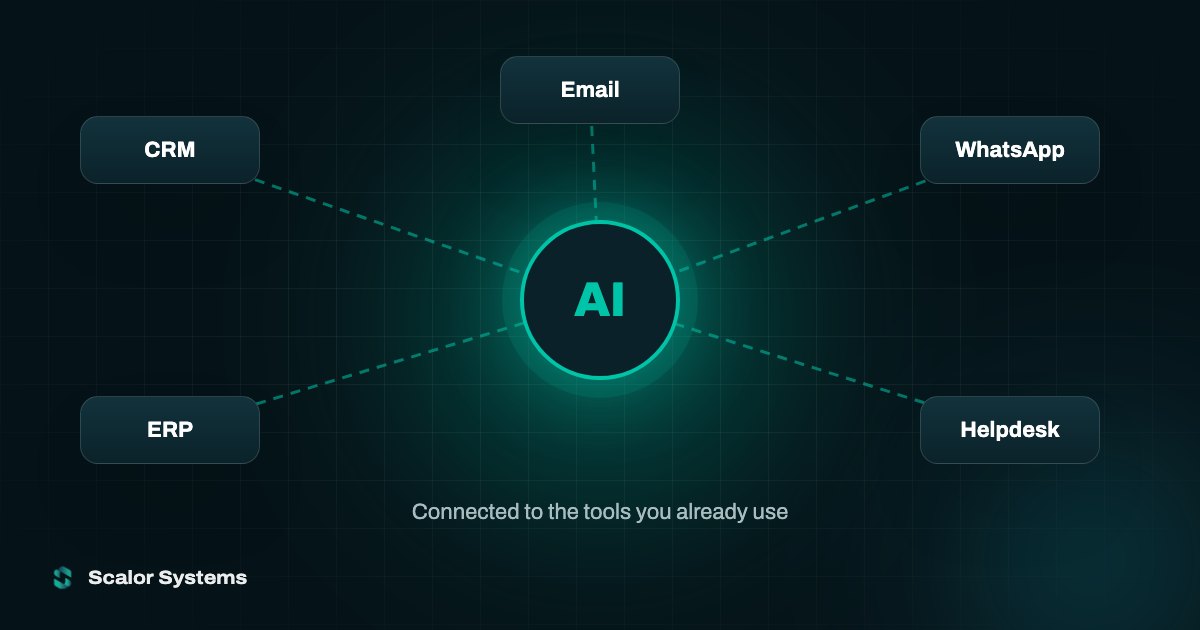
When an AI project disappoints, the post-mortem rarely blames the model. It usually finds one of four problems: the workflow chosen didn’t have enough volume to matter, the data needed wasn’t available or reliable, the AI wasn’t connected to the systems people actually use, or nobody agreed up front what success looked like.
All four are visible before a single line of code is written, if someone looks. That’s the job of an audit.
What an AI Architecture Audit actually is
An AI Architecture Audit is a structured process of mapping your business operations against current AI capabilities to find the highest-value places to use it. It’s part strategy, part technical assessment, and part honest reality check.
What happens during the audit
We examine your current workflows, data, systems and team capabilities. We then map each workflow against proven AI use cases to find matches. Every match is scored on four things:
- Savings potential: how much time or money it could realistically save each year.
- Feasibility: whether your data and systems can support it today.
- Effort and cost: what it would take to build, integrate and run.
- Risk: what happens if the AI is wrong, and how you’d catch it.
What you get at the end
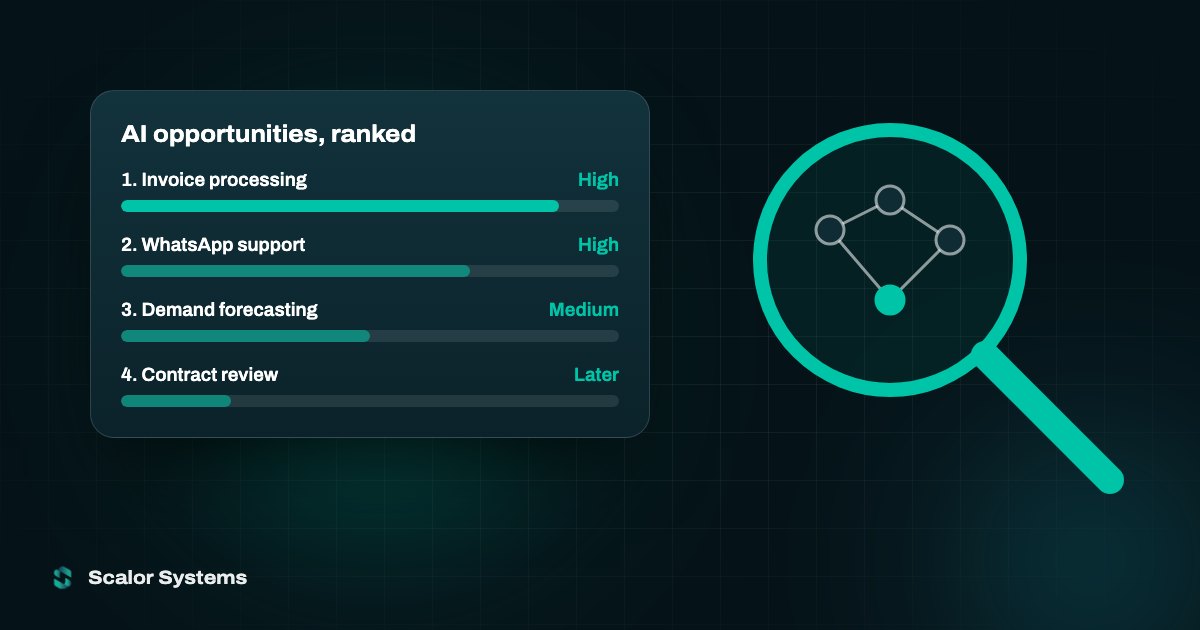
The output is a ranked list of AI opportunities with cost and timeline estimates, and a clearly recommended first project. It also includes a list of ideas that aren’t worth pursuing yet, and why. That list often saves more money than the recommendations do.
How long it takes
For a mid-market company, a focused audit takes two to three weeks. It needs a sponsor on your side and a few hours with the people who run the key workflows. It doesn’t need a data team or months of preparation.
Is an audit worth it?
If you’re about to commit budget to an AI project, yes. Two or three weeks of structured analysis costs far less than building the wrong system, and it gives you a business case your leadership can approve with confidence.