AI Engineering7 min read
6 Principles for Integrating AI Without Breaking What Works
Key takeaways
- Bring AI into the tools your team already uses instead of adding new ones.
- Measure the current process, run AI in parallel and pilot with a small group before switching over.
- Keep a human in the loop where mistakes are costly, and plan who owns the system after launch.
The biggest fear companies have about AI integration isn’t the cost. It’s the disruption. Nobody wants to break the systems and routines that keep the business running. These six principles keep deployments smooth.
1. Bring AI to your tools, not your team to new tools
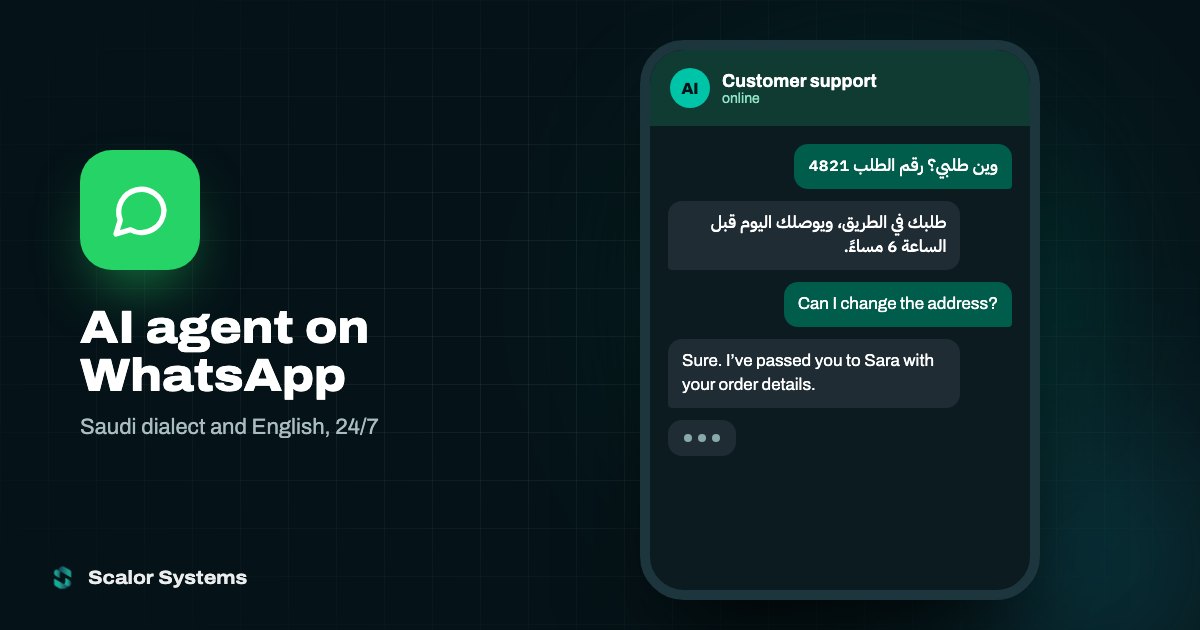
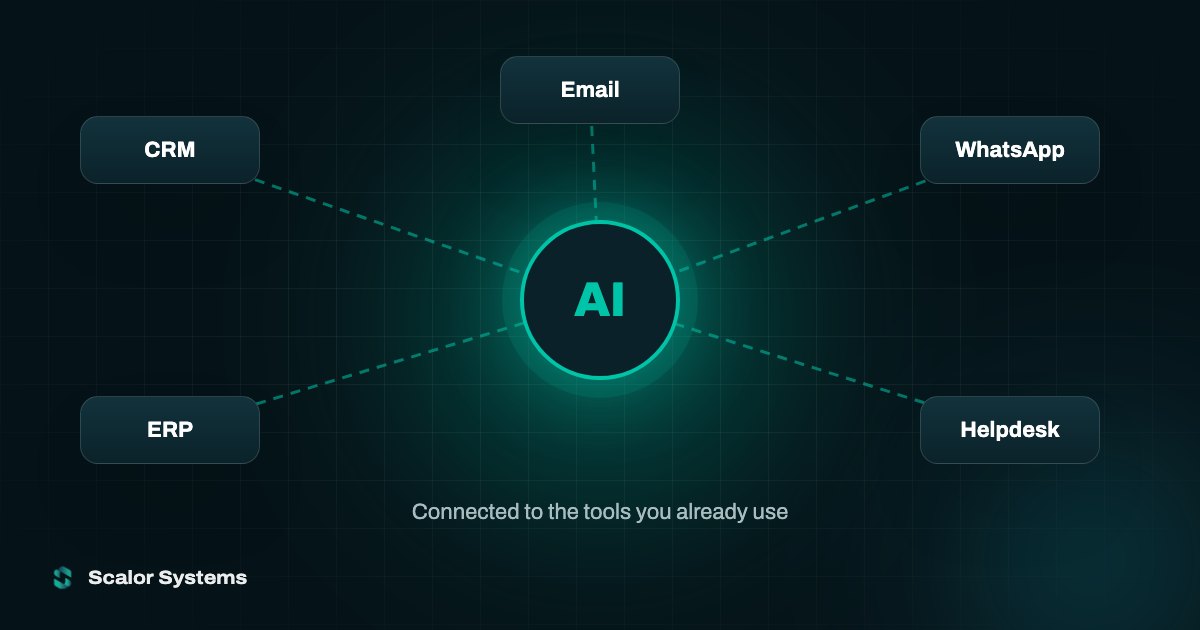
Adoption drops sharply when staff have to open yet another app. The most successful integrations put AI inside what people already use: the CRM, the ERP, the helpdesk, email or WhatsApp. The AI shows up where the work already happens.
2. Measure the “before” first
Before building anything, record how long the process takes today, how much it costs, and how often it goes wrong. Without a baseline, you can’t prove the AI is working, and you can’t spot it getting worse later.
3. Run in parallel before you switch
Let the AI work alongside the existing process first. Compare its output with what your team produces. Only switch over once it matches or beats the old way, and keep the old path available as a fallback.
4. Start with a small group
Pilot with one team, one branch or one document type. A small pilot surfaces the rough edges, such as unusual cases, unclear instructions and missing data, while the stakes are low. Then roll out in stages.
5. Keep a human in the loop where mistakes are costly
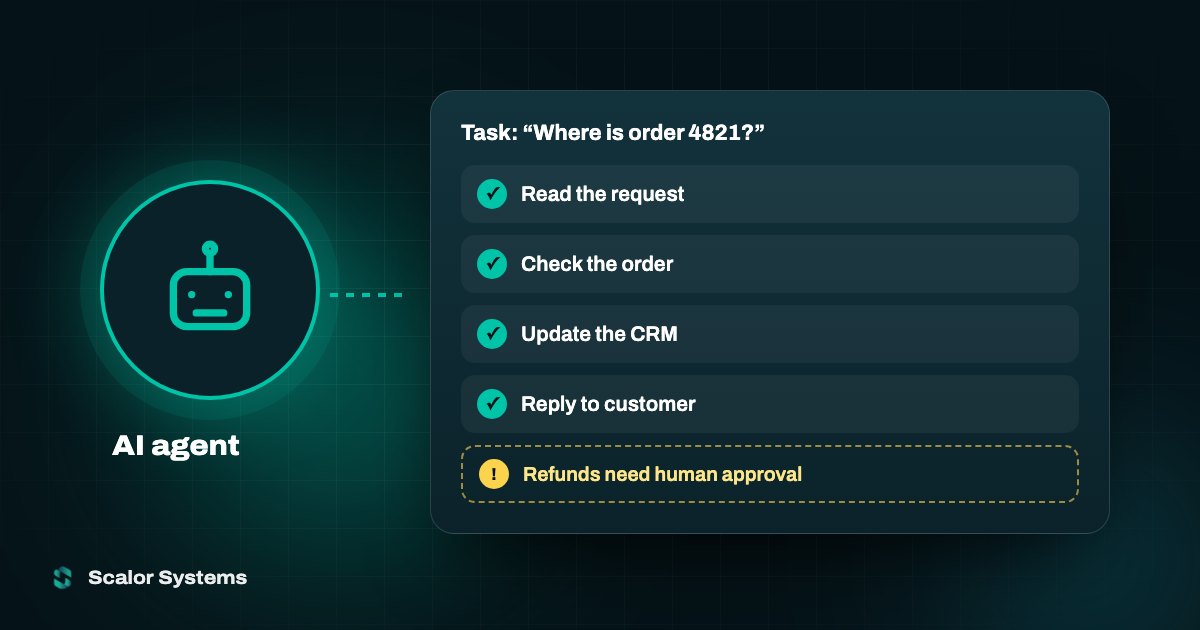
AI should handle the routine and flag what it isn’t sure about. Set confidence thresholds so uncertain cases go to a person. This builds trust with your team and protects you from costly errors while the system learns your business.
6. Plan for day 100, not just day one
Your business changes, and AI accuracy drifts with it. Agree who owns the system after launch, what gets monitored, and how often it’s reviewed. Integrations that are looked after keep improving. Integrations that are forgotten slowly decay.
The result
Following these principles, most integrations go live in four to eight weeks with no downtime, and your team keeps working throughout. That’s the standard we hold every AI Integration project to.